

How UNTUCKit drives a 15% increase in units per transaction, through better selling behaviours
UNTUCKit uses YOOBIC to streamline store execution, reinforce selling behaviors, and give managers more time on the floor. This results in a 15% increase in UPT, and more consistent wardrobing across stores.
+15%
UPT lift: Increased from 2.0 to 2.3 units per transaction
79%
training adoption: Driven by mobile-first, bite-sized learning in the flow of work
85%+
brand compliance: Sustained across the US, UK, and Canada
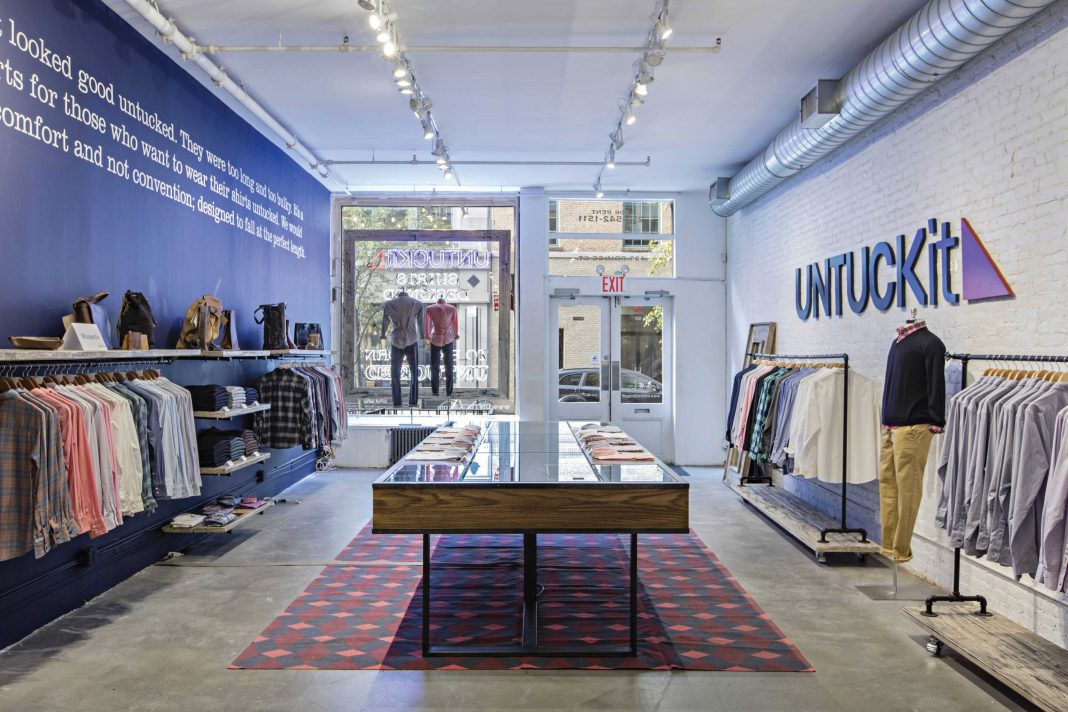

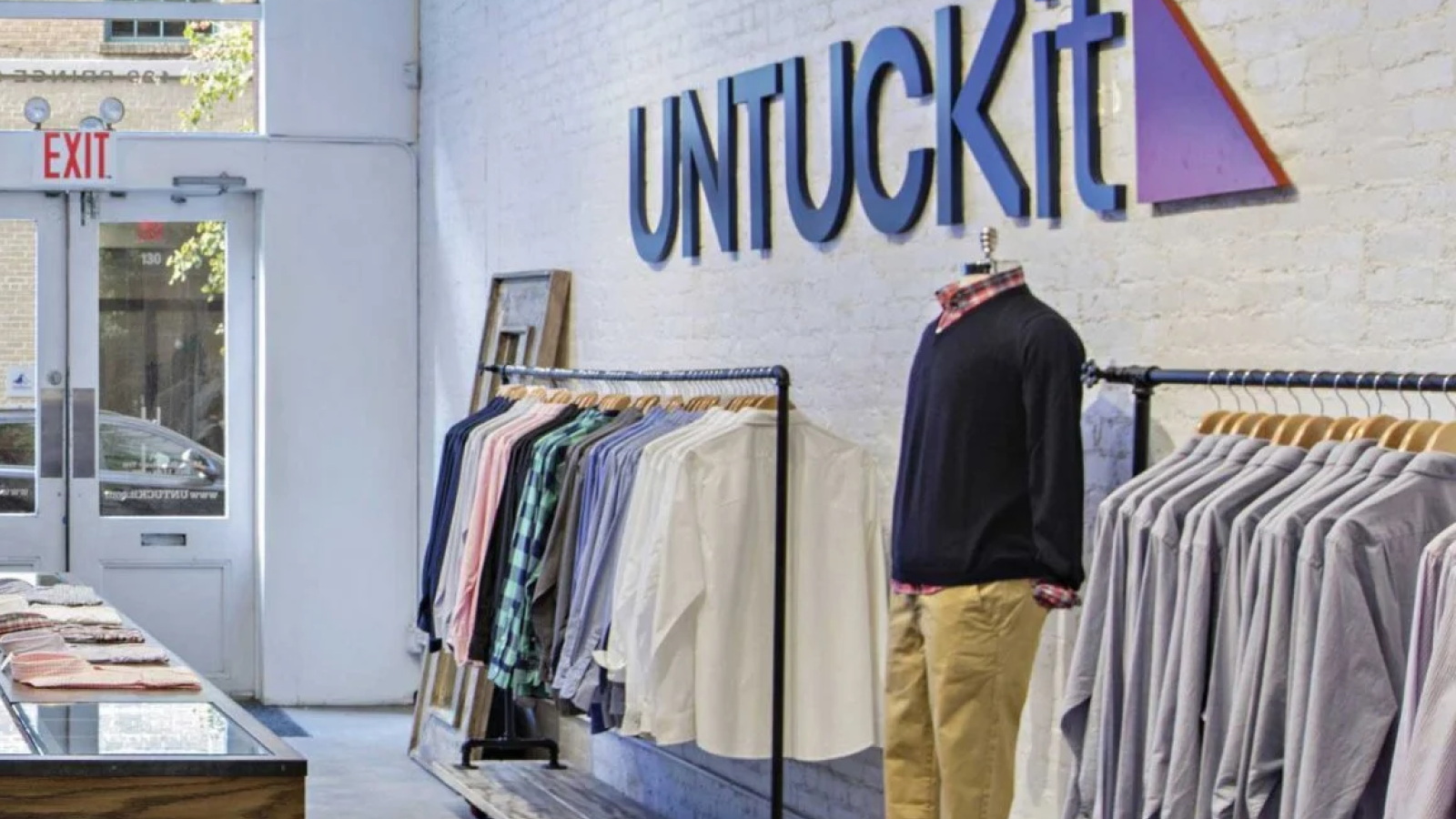
UNTUCKit is a U.S.-based apparel retailer with stores across North America and the U.K., focused on delivering a strong in-store experience built around fit, styling, and service.


“Before YOOBIC, store visits were honestly just checklists. Now they’re focused on behaviors, coaching and building the wardrobe, and that’s what helped move our UPT.”
Michael A. Saldaña, Senior Retail Operations Manager, UNTUCKit
The UNTUCKit story
UNTUCKit set out to shift how its teams sell.
The goal was to move beyond single-item transactions and build a true wardrobing model. Every interaction should lead to a complete outfit.
That kind of shift depends on what happens on the sales floor. It requires confident teams, consistent behaviors, and managers who are present enough to coach in real time.
As the business grew, that became harder to maintain.
Store visits were detailed, but time was often pulled into operational follow-ups. Day-to-day tasks still took managers off the floor. Training existed, but it didn’t always carry through into daily interactions with customers.
It became clear that the real challenge was consistency.
Selecting YOOBIC
UNTUCKit partnered with YOOBIC to bring execution, communication, and training into one place.
They came to us with a straightforward focus:
- Simplify operational work in-store
- Make expectations clearer across locations
- Create a more consistent approach to training
Working together, we realised that the real objective sat behind that:
Give managers more time on the floor, and make that time count.
UNTUCKit Head of Retail Sandra Scibelli shares how structured training and certification helped drive more consistent execution and stronger store performance.
How they did it
1) Reduce operational workload, to free up selling time
YOOBIC streamlined how stores handle tasks, reporting, and day-to-day execution.
Work that used to take time and back-and-forth became quicker to complete and easier to track.
That shift had a direct impact. Managers spent less time managing tasks, and more time where it matters…on the floor, coaching and selling with their teams.
2) Refocus stores from task completion, to improved behaviours
Store visits remained thorough, and that didn’t change. What changed was how their new free time was used.
Instead of centering visits around task follow-ups, managers focused more on observing behaviors, giving feedback, and improving how teams engage customers.
The conversation moved closer to the sale. What’s being recommended. How outfits are being built. Where opportunities are being missed.
That’s where UPT is won or lost.
3) Reinforce behaviours and drive consistency through coaching and development
UNTUCKit didn’t rely on training alone to improve performance.
They used YOOBIC to reinforce behaviors and drive consistency through coaching and development, in a way that goes beyond how the platform is most commonly used.
Instead of treating YOOBIC as a task or communication tool, they built it into how their teams develop and perform day to day.
- Certification for key leadership expectations, giving managers a clear and consistent standard to coach against
- Monthly training missions, keeping teams focused on specific selling behaviors that drive wardrobing
- Microlearning in the flow of work, so learning happens alongside real customer interactions, not separate from them
This approach created consistency.
Not just in what teams know, but in how they sell, how they coach, and how they show up on the floor.
Over time, those behaviors became repeatable across every store.
And that consistency is what drove the 15% increase in UPT.
4) Reinforce what works, and scale it across stores
With better visibility and more consistent communication, teams could share what was working on the floor.
Managers had clearer insight into performance. Teams had clearer direction on priorities.
Instead of best practices staying local, they spread.
That helped standardize wardrobing behaviors across stores, without adding complexity.
Results
- 15% increase in units per transaction, driven by more consistent selling behaviors
- More time spent on the sales floor, coaching and supporting teams
- 79% training adoption through continuous, in-flow learning
- 85%+ brand compliance across regions
- More consistent execution of wardrobing across all locations