Categories
Case Study Operations Training

The overlooked steps to growing teams in retail, according to Adam Lukoskie, Executive Director of the NRF Foundation

At 16, when most teenagers were worried about passing their driver’s test or making it to Friday night football, Adam Lukoskie was juggling something very different: payroll, shoplifters, and tornado warnings at his local Walmart in Northern Wisconsin.

Categories
AI Case Study Operations Retail

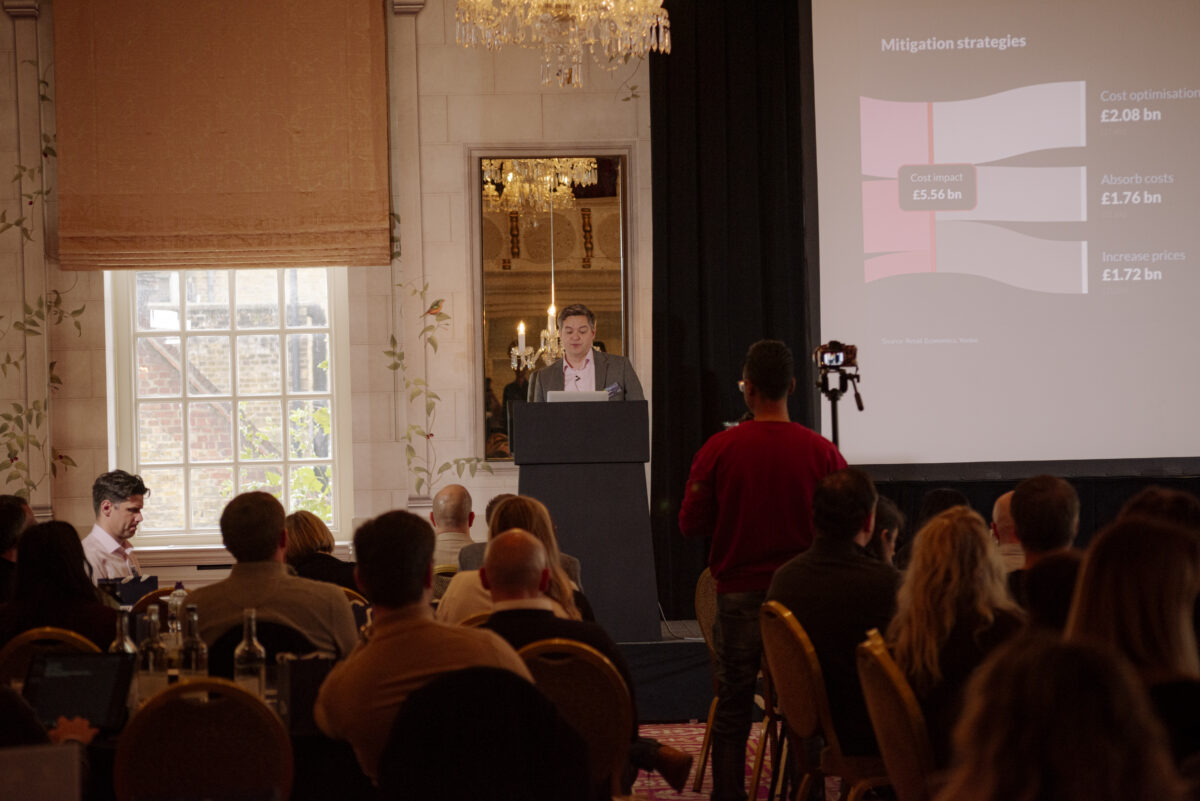
How Morrisons, DFS & Retail Economics are redefining resilience in retail

TL;DR

  • Richard Lim, CEO of Retail Economics, showed that retailers can’t control inflation or rising costs, but they can build resilience through visibility and agility. The ability to see pressure points early and act fast is now the single biggest advantage in a volatile market.
  • Morrisons demonstrated that operational clarity is the foundation of productivity. By digitising communication and giving 80,000 colleagues visibility into daily priorities, the retailer reduced admin, protected margins, and empowered managers to lead more effectively.
  • DFS proved that technology truly becomes transformative when it’s cultural. Embedding YOOBIC’s Hub into daily routines turned communication from a task into a shared behaviour, improving consistency and engagement across 4,700 colleagues.
  • Across every story, one principle stood out: resilience isn’t about reacting faster to change, it’s about building systems and habits that keep teams aligned, informed, and confident, no matter what the market brings.
  • The takeaway for retail leaders: visibility, clarity, and connection are now non-negotiable. When every team knows what to do, why it matters, and can act in real time, performance naturally follows.
Categories
AI Case Study Retail

The 9 Steps of accountability every retail leader should know

Accountability has a PR problem in retail. Too often it shows up as blame, confrontation, or the dreaded ‘uh-oh’ talk when performance slips.

Categories
AI Case Study

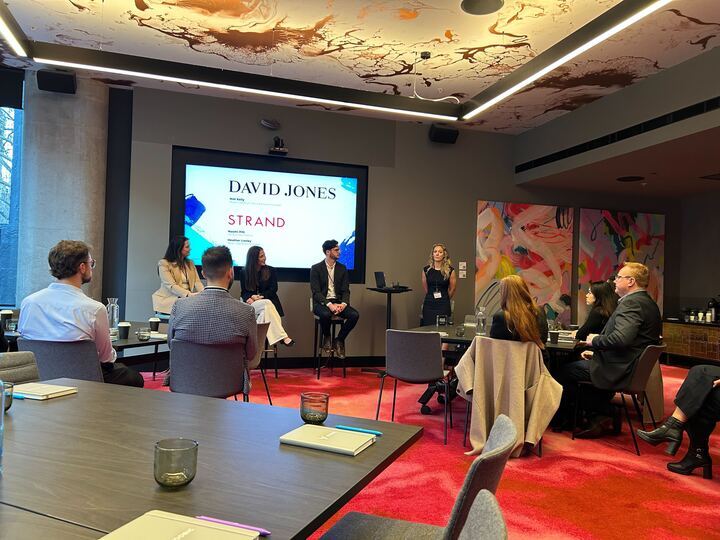
A smarter way to run stores: what David Jones and Strand are doing differently

TL;DR

  • Centralize operations in one place and put it in managers’ hands on mobile so leaders stay on the floor, not in the back office. Daily NPS, schedules, and reporting should be visible at a glance.
  • Treat engagement like a performance lever. Short, role-based learning, recognition in communities, and visible metrics correlate with better service and sales.
  • Make leadership visible where work happens. Weekly, concise priority posts from named leaders, paired with consistent executive sponsorship, help teams align quickly, stay focused, and take action with confidence.
  • Use process clarity and cadence to scale. Standard publishing rhythms and blackout windows protect selling time, even across large fleets. (Strand had all 261 stores fully prepped and execution-ready for Christmas trading ‘ every task completed, on time.

How to remove friction from store operations (the model that works)

High-performing teams are simplifying the path from direction to execution. The pattern we heard in Melbourne: one source of truth for task management and resources; mobile-first access for leaders; bite-size learning tied to on-shift actions; and daily visibility of customer feedback so coaching stays grounded in reality.