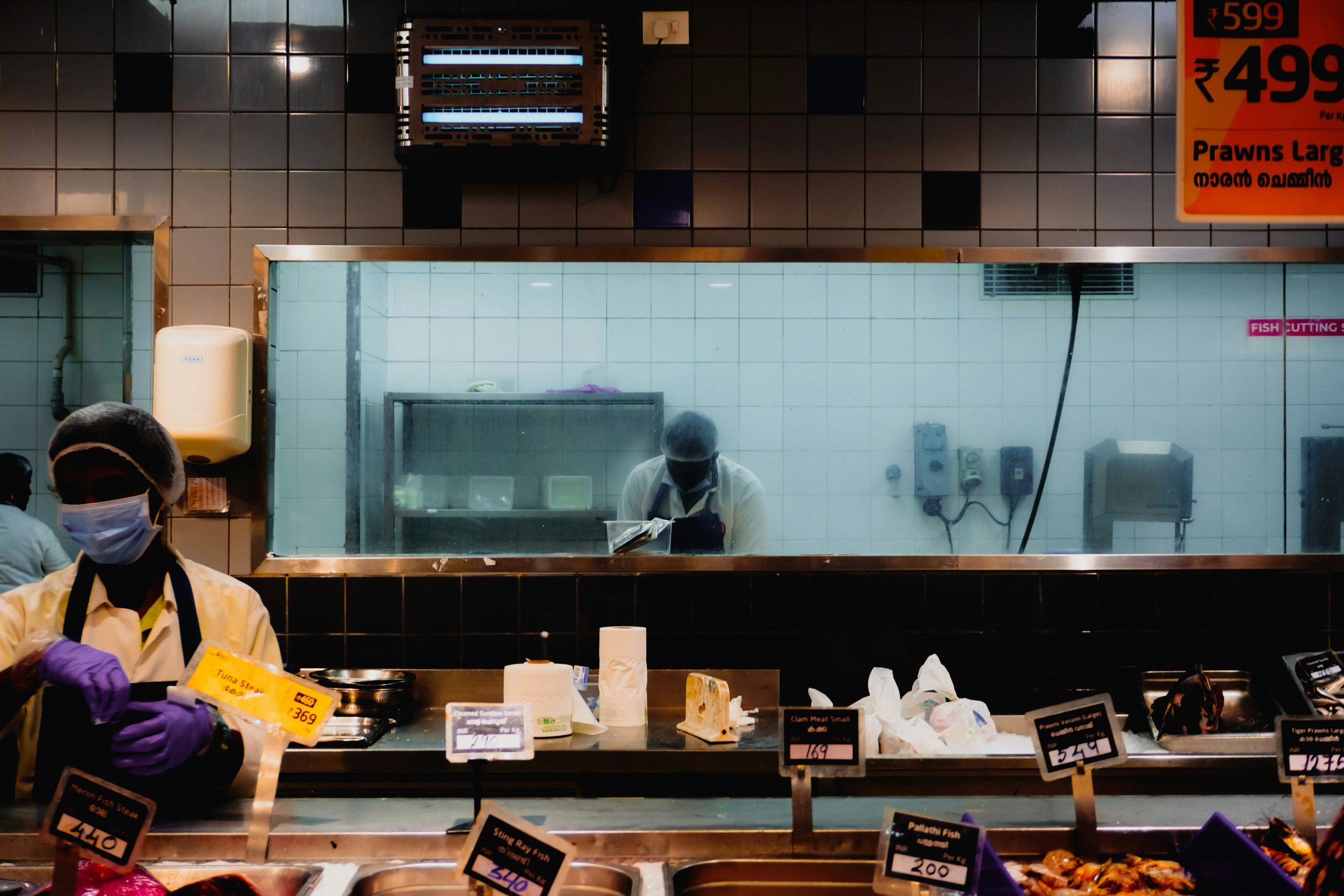


Service delis combine labor-intensive fresh-food work with strict food-safety controls. That combination puts execution under pressure whenever customer demand peaks.
TimeForge’s 2022 benchmark of independent and mid-sized U.S. grocers found Bakery/Deli sales per labor hour ranging from $42 in the Southeast to $200 in the West; TimeForge cautions that its sample skewed toward rural operators and should be treated as a baseline rather than a universal target. FMI reports a 2025 supermarket average of $217.83 in sales per labor hour. Sources: TimeForge 2022 grocery benchmark; FMI Food Industry Facts.
CDC EHS-Net research in 359 restaurants found that managers at 91.6% reported an internal date-marking policy. During on-site observations, data collectors saw at least one ready-to-eat TCS food date-marked in 77.2% of restaurants. Restaurants with an internal policy were observed date-marking 5.04 times as often as those without one. Source: EHS-Net date-marking study.
The slicer numbers are sharper. Under the FDA Food Code, food-contact surfaces used with TCS food generally must be cleaned at least every four hours, subject to defined exceptions. Across the EHS-Net deli study, 54.2% of interviewed workers reported fully cleaning slicers less frequently than every four hours. In a related 197-deli study, only 26.9% of workers reported both properly cleaning and inspecting slicers at that frequency. Sources: FDA Food Code 2022; CDC slicer cleaning study; CDC slicer inspection study.
INSIGHT
Policy is associated with better execution, but observed practice still lagged manager reports. The operational challenge is making each control easy to complete, verify and correct during a live shift.
The seven fixes below all work on timing, ownership and proof rather than on writing the standard down again. They assume the checks themselves are already digital rather than on paper.
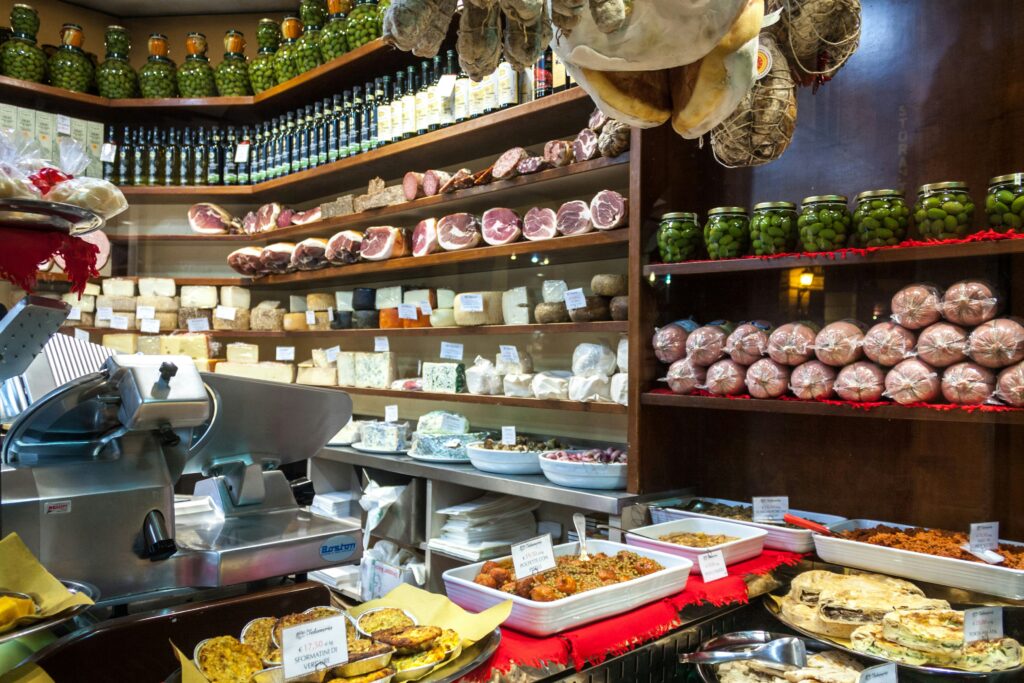
1. Move routine checks out of peak trading windows
Peak periods vary by store, so map them from your own transaction, queue and staffing data rather than relying on a generic daypart template.
Move non-safety-critical routine work outside those windows, but do not move a regulated food-safety deadline beyond its required interval.
Under the FDA Food Code, food-contact surfaces used with TCS food generally must be cleaned at least every four hours, subject to defined exceptions. A slicer cleaned at 07:00 therefore reaches that interval at 11:00. Source: FDA Food Code 2022.
Blackout windows help by withholding non-essential tasks during known peak periods. Associates see only customer-facing and safety-critical work while the store is busy. Routine work returns when trade drops.
DEFINITION:
Task blackout window
A configured period that withholds non-essential tasks from frontline devices, so associates see only customer-facing or safety-critical work during peak trading. Routine tasks return when trade drops rather than disappearing.
Strand uses this approach across 261 stores, pairing a fixed weekly publishing rhythm with blackout periods that protect customer-facing hours. Source: Strand case study.
2. Trigger the right checks from the right signal
Not every counter task belongs on the same trigger. Regulated food-safety tasks must follow the standard that applies; other operational checks can be driven by usage or performance signals where appropriate.
For slicers used with TCS food, the FDA Food Code generally sets a four-hour cleaning interval, subject to defined exceptions. That means usage-based automation should never override a mandated safety interval. Source: FDA Food Code 2022.
A current YOOBIC customer example shows where usage-based triggering can make sense: Pilot Flying J’s deep-cleaning compliance audits trigger automatically every 150 showers across its travel-center network, replacing manual scheduling with a volume-based signal. Source: YOOBIC retail audit guide.
3. Route each task to the role that owns it
Most missed checks never reach the person who would have done them.
Morrisons and YOOBIC reported at Retail Technology Show 2026 that weekly task volumes fell from 80–100 items to approximately 10 targeted actions per manager, routed directly to the responsible colleague. Time savings were separately validated through internal time-and-motion studies. Source: Morrisons 2026 case study.
Café menu updates, for example, now go directly to café managers. Store and regional managers can monitor completion and focus on exceptions rather than manually distributing every instruction. Source: Morrisons 2026 case study.
“Productivity isn't about doing more. It's about removing friction so people can do their best work.”
Gordon Macpherson, Group Productivity Director, Morrisons
4. Cap what an associate sees at one time
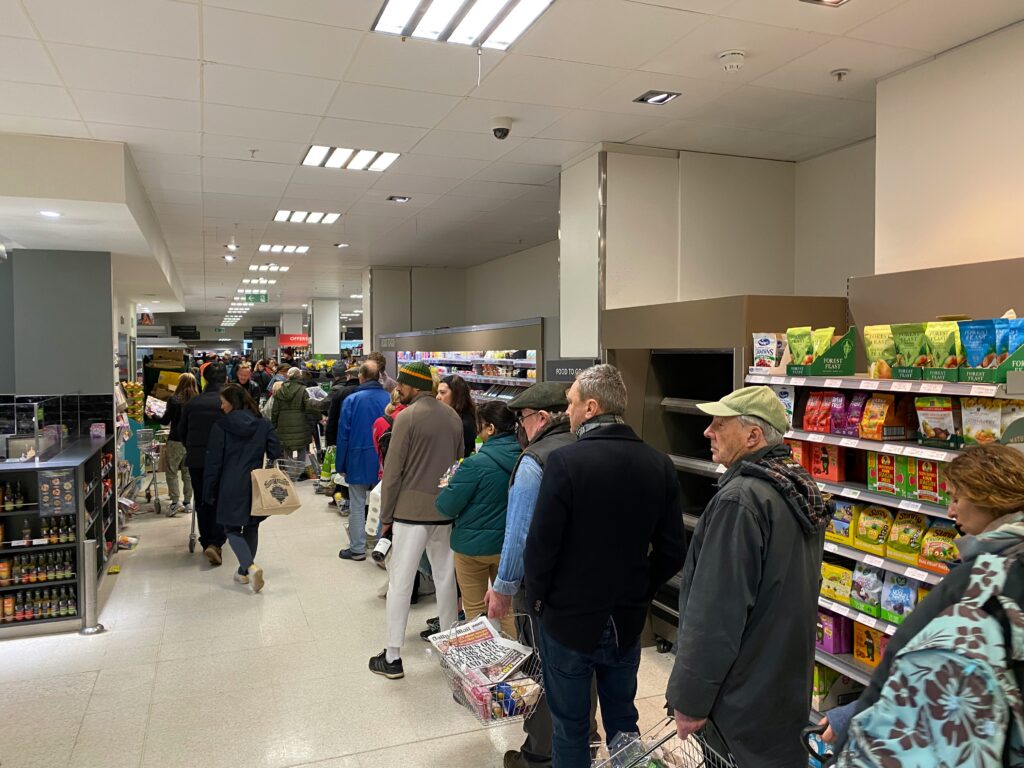
A long list during a rush is the same as no list.
When service and multistep operational work compete for attention, frequent task switching creates avoidable cognitive load.
Controlled human-factors research shows why interruptions matter, even though the experiment was not conducted in retail delis.
Altmann, Trafton and Hambrick found that interruptions averaging 2.8 seconds doubled post-interruption sequence errors; interruptions averaging 4.4 seconds tripled them. Treat those figures as general interruption evidence, not deli-specific error rates. Source: Altmann et al., Journal of Experimental Psychology.
Role, location and format targeting narrows the list to what the person in front of you actually owns this shift. That is the same discipline behind retail task management anywhere else in the store.
5. Capture proof at the point of work

Paper or manually transcribed logs add opportunities for delayed entry and transcription error. A defensible monitoring record should show who checked, when the check happened and the actual result. Source: FSA MyHACCP Principle 4.
FSA MyHACCP guidance says monitoring records should include the date and time of the activity and the actual result, and should be reviewed by another nominated responsible person where possible. Source: FSA MyHACCP Principle 4.
Digital capture can remove manual transcription steps. At Morrisons, a Bluetooth probe writes the temperature directly into the task; if the reading falls outside the permitted range, the system triggers an automated alert and corrective action to the responsible manager. Source: Morrisons 2026 case study.
156 scheduled / 162 worked hours
In TimeForge’s 2022 sample, Bakery/Deli averaged 156 scheduled labor hours and 162 hours actually worked per store per week.
Source: TimeForge 2022 grocery benchmark.
6. Make a missed check produce an owner, not a gap
A missing entry in a folder tells you something failed. It does not tell you who is fixing it.
When monitoring shows that a critical limit has not been met, the response needs to be documented and assigned to someone with clear responsibility for corrective action. Source: FSA MyHACCP Principle 5.
The fix is escalation with a name attached. A missed or out-of-range check should create a corrective action with a clear owner and a documented outcome. At Morrisons, an out-of-range Bluetooth probe reading triggers an automated alert and corrective action to the responsible manager. Sources: FSA MyHACCP Principle 5; Morrisons 2026 case study.
7. Pair routine checks with verification
Monitoring tells you what was recorded. Verification checks whether the food-safety system is actually working in practice.
FSA MyHACCP guidance lists measurements, document audits, staff assessments, trend analysis and review of corrective actions among the activities businesses can use to verify a HACCP system. Source: FSA MyHACCP Principle 6.
For fresh-counter operations, that means supervisors should focus on exceptions, recurring failures and whether corrective actions were actually carried out, rather than simply checking that a box was ticked. Source: FSA MyHACCP Principle 6.
What a defensible compliance record looks like
The seven fixes above can generate a useful evidence trail for HACCP-based monitoring and corrective action, but inspection requirements depend on jurisdiction and on the business’s own food-safety management system. Source: FSA MyHACCP Principle 7.
In England, Wales and Northern Ireland, chilled food that needs temperature control must generally be kept at 8°C or below; FSA guidance recommends operating refrigerators at 5°C or below. Scotland uses a different legal framework for chilled food, while Food Standards Scotland recommends refrigeration at 5°C or below. Across the UK, hot-held food should be kept above 63°C, subject to defined exemptions and tolerances. Sources: UK chilled-food guidance; Food Standards Scotland CookSafe.
The evidence trail should follow the business’s HACCP-based system rather than a universal number of weeks of paperwork. FSA MyHACCP lists CCP monitoring activities, deviations and corrective actions, verification procedures and training records among the records a business may need, and says retention periods should be appropriate to the product and operation. Source: FSA MyHACCP Principle 7.
Natasha’s Law tightened requirements for food prepacked for direct sale: PPDS food must carry the food name and a full ingredients list with allergenic ingredients emphasised. Loose or non-prepacked deli food is treated differently: businesses must provide information on the 14 regulated allergens, which may be supplied in writing or verbally if a clearly visible notice explains how customers can obtain it. FSA best practice is written information supported by a conversation. Sources: FSA PPDS allergen guidance; FSA non-prepacked allergen guidance.
In the U.S., the FDA Food Code is a model code that jurisdictions may adopt. Section 3-501.17 provides that refrigerated ready-to-eat TCS food held for more than 24 hours should be date-marked and used, sold or discarded within seven calendar days at 5°C/41°F or less, with the day of preparation counted as day one. Source: FDA Food Code 2022.
Start with the timing
Fresh-counter compliance failures rarely come down to one thing. Standards, task timing, ownership, monitoring and verification all matter; operational risk rises when a required control competes with live service demand.
Map when your counter workload actually peaks. Move routine checks out of those windows. Route each one to the role that owns it, capture the evidence where the work happens, and make a missed check produce a name.
The same seven apply to butchery, fish and hot food. The timings differ. The collision does not. For the wider picture across the store, see our guide to grocery store operations.
Start retailing smarter

Frequently asked questions
How often do deli slicers need to be cleaned?
Deli slicers used with TCS food generally need full cleaning at least every four hours under the FDA Food Code, subject to defined exceptions. Full cleaning means disassembling, cleaning and sanitizing the slicer; a surface wipe is not equivalent to full cleaning. In CDC EHS-Net research, 54.2% of interviewed workers reported full cleaning less frequently than every four hours, and a related study found only 26.9% reported both proper cleaning and inspection at that frequency. Sources: FDA Food Code 2022; CDC slicer cleaning study; CDC slicer inspection study.