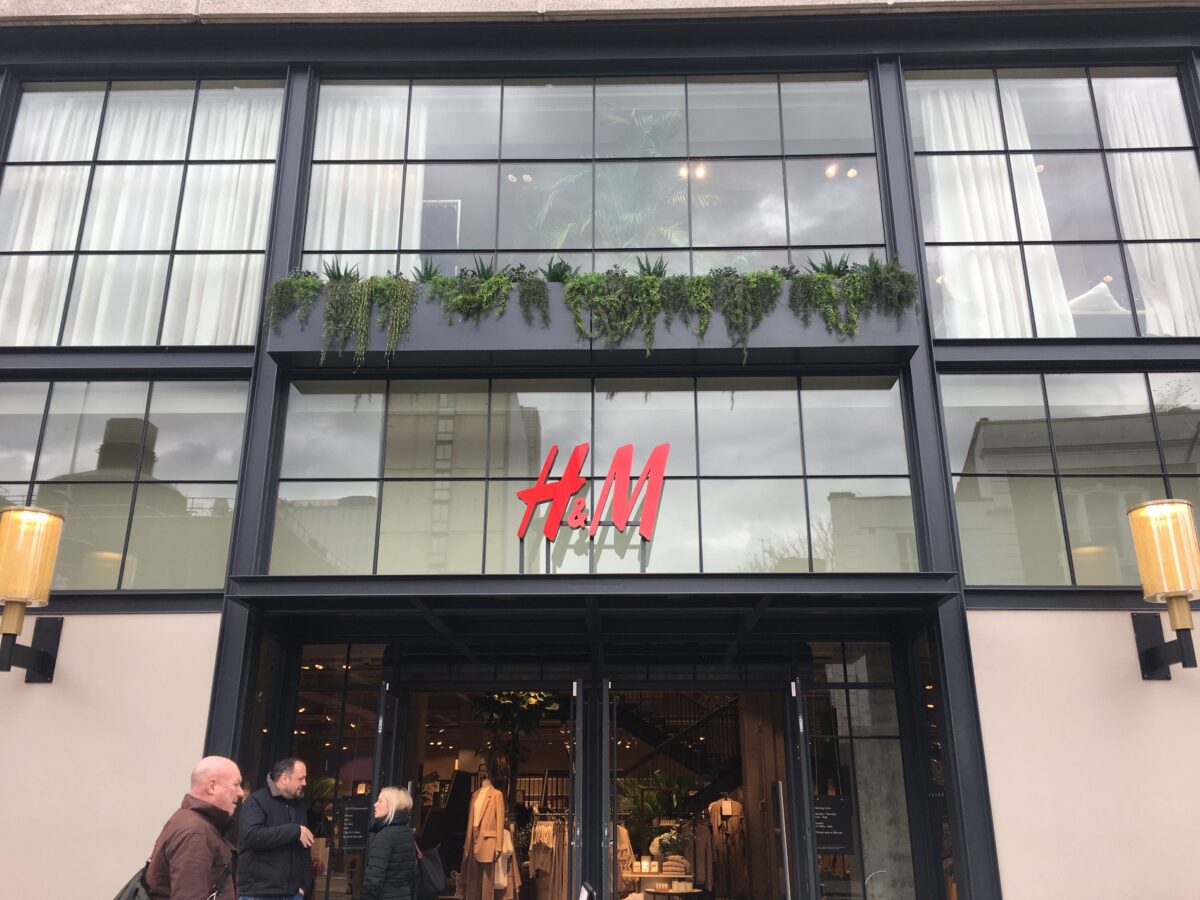
A couple of weeks ago we published our first concept store review on Nike’s House of Innovation in NYC. This week we’re looking to the other side of the pond with H&M‘s first-of-its-kind concept store in Hammersmith, London.
 YOOBIC
A couple of weeks ago we published our first concept store review on Nike’s House of Innovation in NYC. This week we’re looking to the other side of the pond with H&M‘s first-of-its-kind concept store in Hammersmith, London.
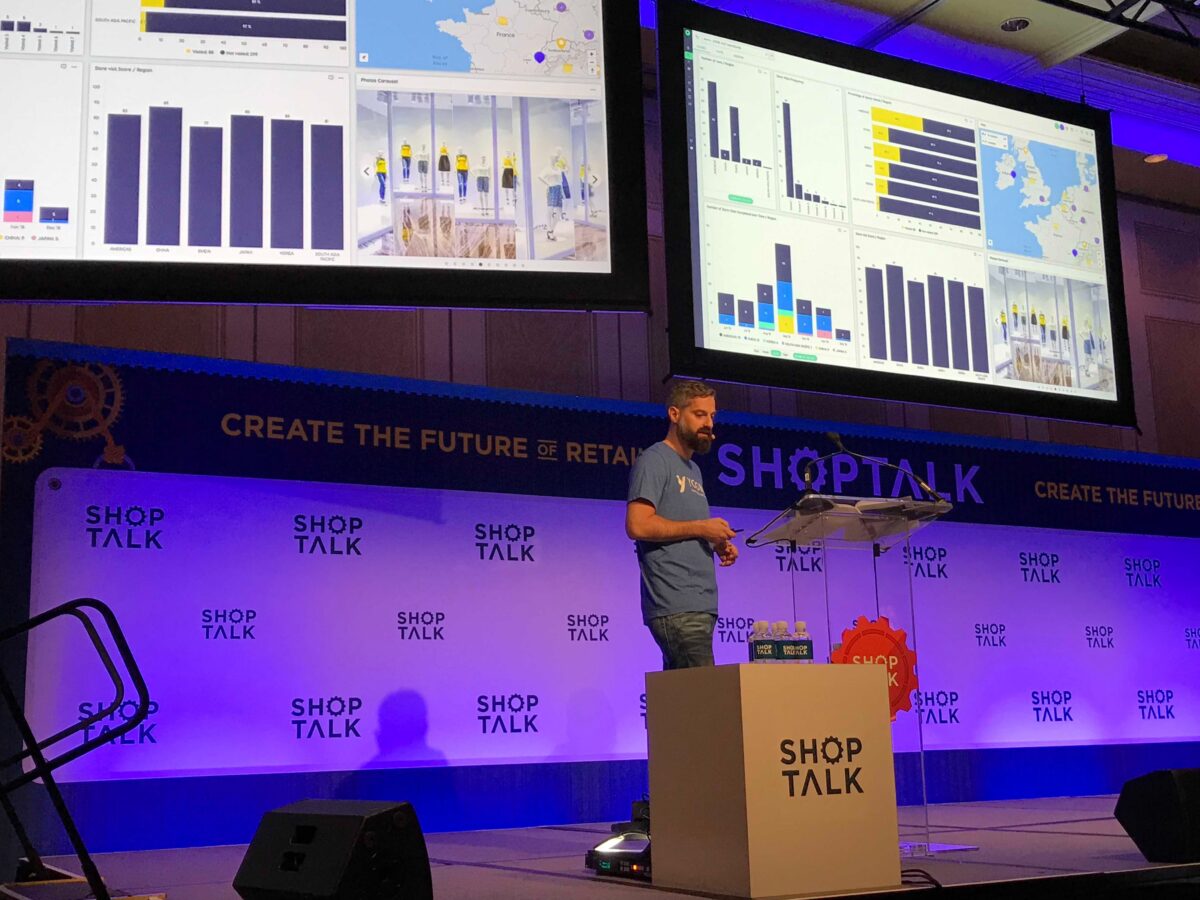
Over 8,000 people attended Shoptalk last week in Las Vegas and this year the YOOBIC team was amongst them, with our CEO, Fabrice, giving a talk about how physical retail is far from dead – it’s thriving!
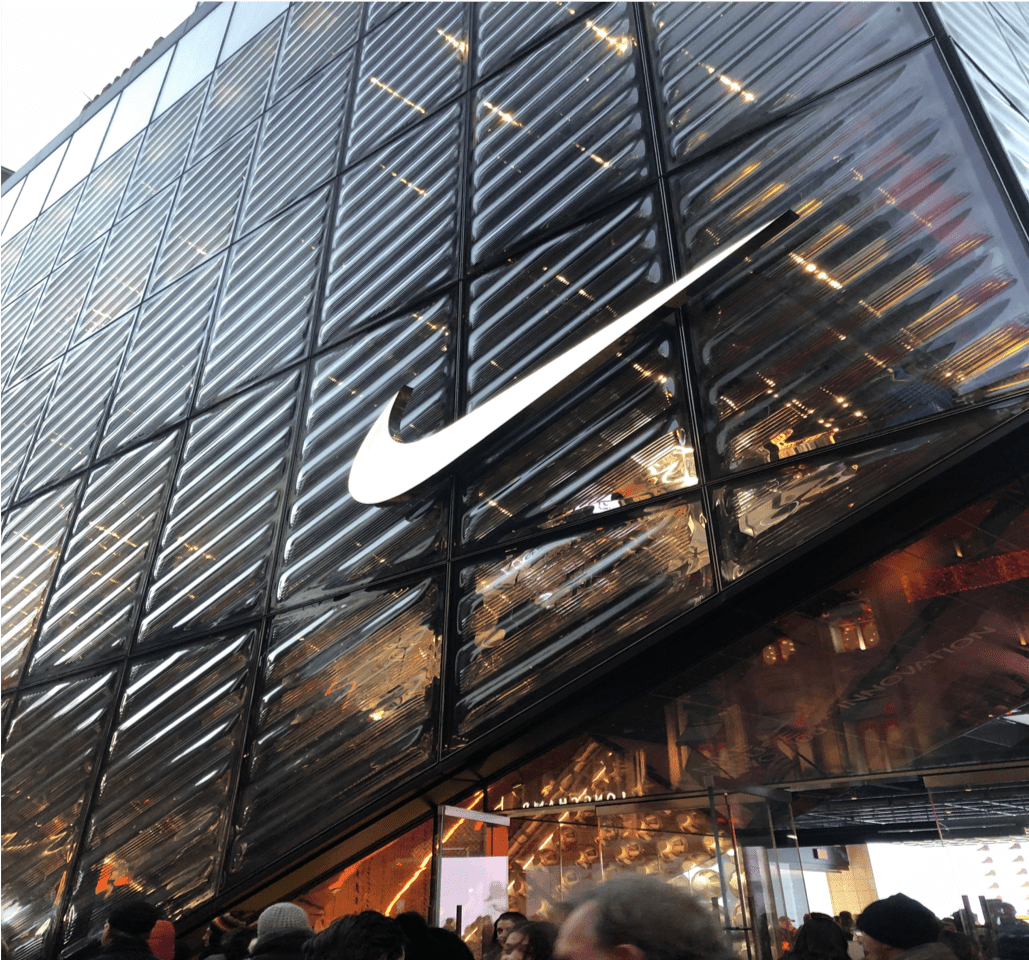
Concept stores are cropping up all over the place right now, but with each store claiming to offer an entirely unique experience, do they all live up to the hype?
One of the biggest high street shockers of recent years was the closure of Toys R Us, a former giant of toy retail. Was this the end of an era? Well, apparently not.

Photo from Le Parisien
Last year, our CEO, Fabrice, made the leap across the pond to open an office in New York. Everyone knows the Big Apple is one of the shopping capitals of the world – but how does it compare to London? We sat down with Fabrice to hear about his experiences with US retail since becoming a New Yorker.
Retail is ultimately all about people. And because of that, stores need to make their staff a top priority again. Store staff are brand ambassadors, to such an extent that some flagship stores have removed sales incentives because the job should be more about providing a positive customer experience than about short-term sells. The theory is that if the experience is amazing, people will ultimately buy from you, whether it be in-store or online. Experience builds loyalty.
Essentially, stores are becoming showrooms and experiential destinations, with sales almost becoming a secondary aim. This is a new way of approaching store operations in the era of online shopping. Some brands, such as Coach, have even started to produce new store concepts with the primary goal of being a place for visitors to hang out, take selfies and experience the brand in a new way. This might be a little too radical for me personally, but it’s certainly an interesting approach!
From Nike’s impressive new concept store, to Chanel’s brand-new Atelier Beauté (the first of its kind), it is amazing to see so much innovation concentrated in one city. You can feel the vibe and the energy of the city in those initiatives, not only in terms of cutting-edge technology (like Nike) but also when it comes to innovative visual merchandising.
But the key question is, how do you scale that up to 200 stores across the country and still maintain the same level of excellence?
Once again, it is all about people and processes – and this is where YOOBIC can play a role. We are working with brands such as Lacoste to ensure that the merchandiser’s vision is properly implemented and that the quality of customer experience is perfect across the board.
Wholesale and outlets play a significant role in the US retail economy, more so than in the UK it seems.
Being able to guarantee consistency in those channels is a real challenge. Brands have very little visibility into, or control over, what’s happening in-store. On top of that, store visits are quite expensive, and they’re also not very efficient. Wholesalers have also decreased their staff in-store, significantly reducing the level of execution and ultimately impacting the global customer experience.
I truly believe that the biggest challenge right now is around empowering the sales staff.
To do this, retailers need to change their mentality towards their employees. Store staff are not a resource, they are an asset. The more you invest in them, the better your stores will perform – employees who feel valued do better.
Technology is the key to making this a priority for retailers. Currently, the situation is usually that sales associates are trained when they first start work, and then it’s never thought about again. What’s needed instead is a system of continuous, digitised microlearning, to help store teams grow and keep them engaged.
The energy of the city!
…The energy of the city 😉
—
Want to join our US team in New York? We’re hiring! Check out our current job openings.

This week’s post is written by Michael Dahan.
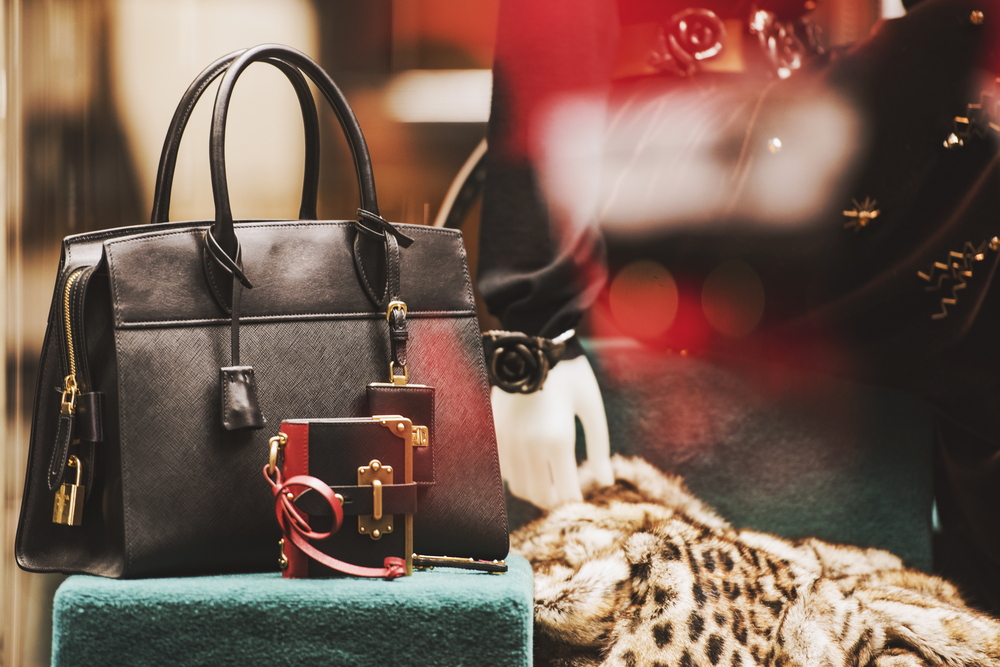
Walk into a boutique today and a famous name on the door isn’t enough to close the sale. Luxury shoppers now expect a personalized, consistent experience in every store they visit, and a prestigious label alone no longer guarantees success. The strongest luxury retail best practices focus on what happens inside the store, not just what sits on the shelf.
The gap is real. Bain & Company’s 2025 luxury study found that 70% of luxury consumers are dissatisfied with today’s in-store experience, and 90% feel it’s much the same from one brand to the next.
Luxury retailing is the practice of selling high-end products through an experience that justifies the price. The service, the environment, and the brand story matter as much as the product itself.
So where should you focus? These practices come down to four moves: sell an experience, design for younger and local shoppers, deliver clienteling consistently, and train associates well.
They share one catch. Every store has to deliver them the same way, every day. That makes consistency an operational challenge, and it’s the problem YOOBIC helps retail teams solve.

A luxury store earns the visit when it offers something a screen can’t: a reason to come in that goes beyond the transaction. Get that right and the experience becomes the product.
The customer experience in luxury retail is increasingly omnichannel, and that’s a good thing. An online presence extends the brand, but it can’t replace the showroom. Read more in how to integrate your stores into the perfect omnichannel experience.
The nature of luxury lends itself to the physical store. When someone invests their hard-earned money in a high-end product, they aren’t just buying the item. They’re buying a lifestyle, a sense of exclusivity, and a promise of quality.
People want to examine, touch, and try on products before they buy, and that expectation comes with the price tag. So how does a heritage brand keep reinventing the in-store moment?
The answer is experiential retail. Experiential retail is the practice of designing store visits around interaction and brand story rather than the sale itself.
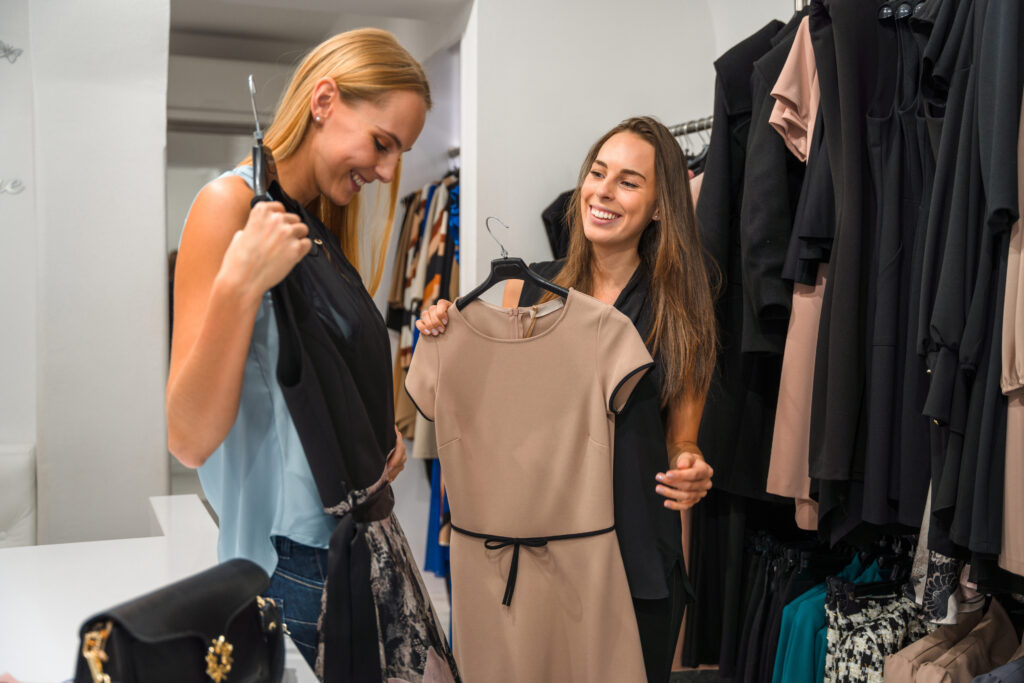
Consumers aren’t as willing to spend a Saturday afternoon in a shopping mall anymore. To earn their leisure time, you have to offer something they can’t get online. In an age of limitless choice, an interaction beyond the usual customer-vendor exchange is what builds brand loyalty.
That instinct now defines the market. Bain & Company and Altagamma report that luxury consumers increasingly choose experiences over buying new possessions, favoring “experiential indulgence” over “conspicuous consumption.”
Some retailers now design spaces that aren’t about selling at all. Take the Hermès Carré Club, where guests sing karaoke, watch skaters, and gather at a café over refreshments. Giving customers a space that isn’t focused on products for sale might look counterproductive.
But this ‘brandship’ concept, built around brand identity rather than sales, is exactly what luxury shoppers respond to. Luxury isn’t only what you buy or how much it costs. It’s part of a carefully cultivated lifestyle.
Younger shoppers are becoming the core luxury buyer, and they buy experiences and values as much as products. If you’re planning for the next decade of luxury retail, this is the group to design for.
Millennials respond to the experiential model. For a generation that treats what it does as more telling than what it owns, the store visit itself becomes part of the purchase.
That shift is already reshaping who buys luxury. In 2023, Bain & Company projected a clear generational handover by 2030.
| Generation | Share of luxury market purchases by 2030 |
|---|---|
| Gen Z | 25–30% |
| Millennials | 50–55% |
Values matter as much as price. Millennials and Gen Z gravitate to brands that reflect their identity, especially around diversity and inclusion.
Rihanna’s Fenty Beauty line, with its ‘Beauty For All’ tagline, won over young shoppers with its wide range of foundation shades. It pushed other brands to follow. Chanel’s makeup line for men, Boy de Chanel, earned similar praise in a more niche market.
Personalization carries the same weight. Younger buyers place a high value on self-expression, so they expect service that recognizes who they are, not a one-size-fits-all pitch. That expectation is exactly what consistent clienteling delivers, and it’s where the next practice begins.
Luxury brands can’t rely on tourist spending alone, so winning nearby, repeat customers has become a core practice. Local clients come back, and they tell their friends.
Luxury retail has long leaned on international shoppers. McKinsey’s perspective for the luxury-goods industry found that 20–30% of industry revenue typically comes from consumers buying outside their home countries. That’s a structural baseline, and it leaves any brand exposed when travel slows.
Tastes have also moved toward sustainable and ethical consumption, with a growing preference for short supply chains and locally made goods. Brands that lean into that shift can earn a loyal base of local, mindful consumers.
Nike shows what a ‘glocal’ strategy looks like in practice. Its regional flagships curate to local tastes, and nearby members can reserve products online and collect them in store.
Unlike tourists, local buyers won’t wait in long queues for their products. You can’t fake that kind of local relevance, and tourist spend won’t buy it for you.

Rooting products in local culture depends on the associate on the floor. When they know the story behind a product and tell it the same way in every store, local branding holds up. That comes down to training.
Before a returning client arrives, an associate pulls up their past purchases, preferred styles, and the coat they admired but didn’t buy last spring. By the time they reach the counter, the conversation already feels personal. That’s clienteling working the way it should.
Clienteling is the practice of using what you know about a customer, including past purchases, preferences, sizes, and milestones. You use it to give them personalized service over time, in store and across channels.
That kind of service is what shoppers now expect. EY’s 2025 Luxury Client Index found that luxury clients want stronger personal connections and tailored style recommendations when they shop in store.
The hard part isn’t wanting to do this. It’s doing it the same way across every store, every associate, and every shift. That’s an execution problem, not a software category, and it’s bigger than any customer database.
This is where the three workflows that run a store floor have to act as one system. Tasks route the follow-up to the right associate. Communications carry the context, so nothing gets lost between shifts.
Learning gives the team the product knowledge to make the conversation credible. Store Manager Copilot turns customer and store data into the day’s prioritized actions. A team knows which clients to reach, and why, before the doors open.
Because we connect to the 200+ systems you already run, clienteling fits the stack you have instead of forcing a rip-and-replace. Consistent clienteling comes down to three things:
A luxury experience is only as good as the associate delivering it, so training is a core best practice, not an afterthought. If your team can’t speak to the product, no amount of store design will cover the gap.
The morning before a launch, an associate spends ten minutes on their phone learning the materials, the inspiration, and the story behind each piece. That afternoon, when a customer asks why a bag costs what it does, they have a real answer. That’s the difference training makes on the floor.
Good training in luxury covers a few essentials:
This is where YOOBIC Learning fits. It’s a mobile-first retail training platform embedded in daily tasks and communications. Associates learn in the flow of work, not in a back-office classroom.
Training, tasks, and communications run as one system. A new collection brief and the lesson that explains it reach the floor together.
It’s also how local storytelling holds up. When your associates can speak to where a product comes from and why it matters, the brand feels rooted wherever it sells.
The payoff shows up in the numbers. Longchamp uses YOOBIC to scale associate training across its stores. Across retailers, the same platform has lifted participation and completion while cutting time spent on standard operating procedure (SOP) training:
learning program participation
Michaels
training completion
Sportscene
time spent on SOP training
Boots
The thread through all of it is consistency, and getting there is an execution challenge. A great experience only counts when every store delivers it to the same standard, every day. It separates a brand that looks good in a campaign from one that feels consistent in every boutique.
Ready to make consistent execution the norm across your stores? YOOBIC brings tasks, communications, and learning together in one platform built for frontline retail teams. Book a demo to see how it works in yours.
Avoid wasted hours, blind spots
and lost revenue with YOOBIC
The core luxury retail best practices are four. Sell an experience customers can’t get online, design for younger and local shoppers, deliver consistent clienteling, and train associates to a high standard. Each one depends on the others, because a strong store concept falls flat if the associate can’t deliver it.

We interviewed 4 experienced retail executives about the biggest developments of 2018, the toughest challenges ahead, and one technology they think will be the biggest game-changer. Here are their thoughts!

2019 has arrived! We’ve made our resolutions, taken down the Christmas decorations, and are now wondering how to get through the mountain of leftover chocolate without straying from our New Year health kick.

Can you believe 2018 is almost over? It’s been an interesting year for retail to say the least, but now it’s time to look ahead to what 2019 might hold. Here are our predictions for the coming year, and some resolutions to help retailers stay at the top of their game – hopefully beyond January 1st.